Shrines and Temples in Japan: How to Tell Them Apart, Visit Correctly, and Collect Goshuin
Japan's two religious traditions share the scenery — a torii here, a pagoda there — and most first-time visitors cannot tell a Shinto shrine from a Buddhist temple until someone points at the gate. This guide does the pointing: the five-second visual test, the full shrine ritual step by step (purification font, the ¥5 coin, two bows, two claps, one bow), the simpler temple etiquette including incense, and the whole shrine-side souvenir economy — omamori amulets, ema wish plaques, omikuji fortunes, and the surprisingly addictive goshuin stamp books, with October 2026 prices. Plus where to practice with the training wheels on in Kyoto and Nikko.
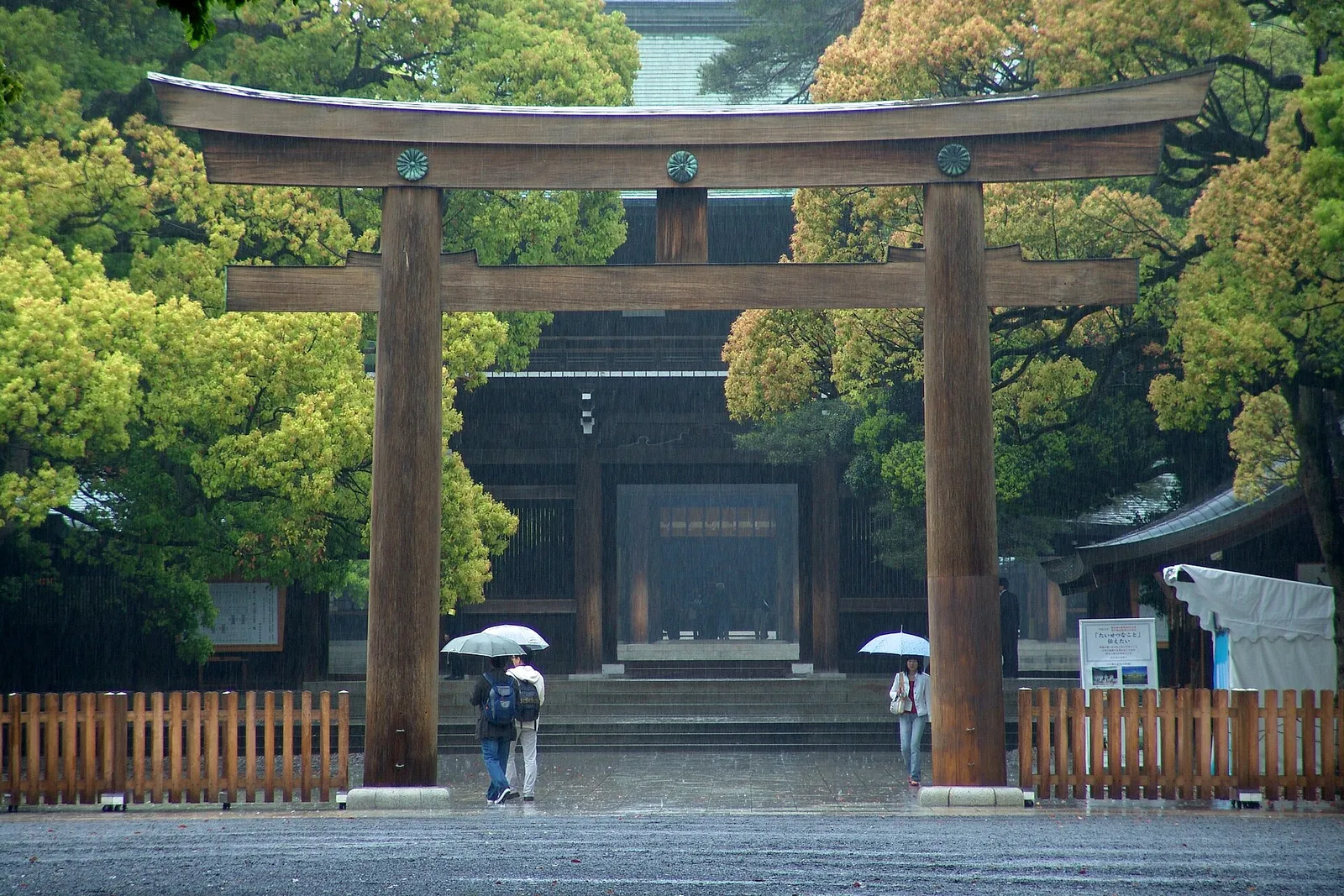
The short version
- Torii gate, guardian foxes or lion-dogs, and a purification font mean Shinto shrine; a sanmon gate, Buddha statues, pagoda or cemetery mean Buddhist temple
- The shrine ritual: rinse hands and mouth at the font, toss a coin (¥5 is the lucky classic), two bows, two claps, silent prayer, one bow
- At temples, skip the claps — a coin, a bow and a quiet moment suffice; wave incense flames out, never blow
- Goshuin (hand-inked visit seals) cost around ¥500–1,500 per shrine as of October 2026; the goshuincho book itself is about ¥1,500
- Photography is fine on shrine and temple grounds but usually banned inside the buildings — watch for the crossed-camera signs
You will visit dozens of shrines and temples on any Japan trip, and within an hour of your first one you will be standing at a basin of water wondering whether you are supposed to drink it (you are not). The good news: the entire etiquette system is short, logical, and identical everywhere from a neighborhood shrine to Kyoto’s most famous complexes. Learn it once below, then walk into any gate in Japan knowing exactly what to do.
Shrine or Temple? Tell Them Apart in Five Seconds
Shinto shrines house kami — local deities of mountains, ancestors, prosperity, foxes. Buddhist temples house Buddha statues and, very often, the dead: most Japanese cemeteries sit on temple grounds. The two traditions have shared the landscape for fifteen centuries, sometimes on the same mountain, so the confusion is legitimate. The visual test:
| Feature | Shinto shrine (jinja) | Buddhist temple (tera) |
|---|---|---|
| Entrance | Torii gate — often vermilion, sometimes stone | Sanmon gate — a roofed, building-like gate |
| Guardians | Komainu lion-dogs, or fox statues at Inari shrines | Nio guardian statues, often muscular and fierce |
| Inside the main hall | Symbol of the deity, hidden from view | Buddha statues on display |
| Other landmarks | Purification font, straw shimenawa ropes | Pagoda, cemetery, giant bell |
| What you do there | The bow-and-clap ritual | Coin, incense, quiet prayer — no clapping |
When in doubt, look for the torii: if you walked under one, you are at a shrine. Kyoto’s Fushimi Inari (thousands of vermilion torii) and the Golden Pavilion’s neighbor Ryoanji could not look more different if they tried.
The Full Shrine Ritual, Step by Step
The sequence below is the standard visit, the same one locals do in ninety seconds without thinking. Do it slowly the first time; nobody is timing you.
- At the torii gate, bow once before passing through — and bow again when you leave. The gate marks the boundary between everyday ground and the deity’s.
- Walk the sides of the approach path. The center of the sandō is traditionally reserved for the deity; visitors keep to the left or right edge.
- Purify at the temizuya — the stone water basin. Take the ladle in your right hand, scoop water, and pour it over your left hand. Switch hands, rinse your right. Pour a little fresh water into your cupped left hand, rinse your mouth, and spit discreetly beside the fountain — never into it. Finally hold the ladle upright so remaining water runs down the handle, and set it back. The ladle never touches your lips, and you never swallow.
- At the offering hall, toss a coin into the box. ¥5 is the beloved classic — its pronunciation, go-en, is a homophone for “good fortune” or “a fated connection” — but any coin is fine; this is a symbolic offering, not a fee. If there is a bell rope above the box, give it a gentle shake to greet the deity.
- Bow twice, clap twice, pray silently for a few seconds, then bow once more. That is the whole prayer: two deep bows, two clear claps, a moment with your wish or thanks, one closing bow.
- Exit the way you came, bowing at the torii on the way out.
Traditionally, people who are sick, injured, or in mourning skipped shrine visits, as these were considered causes of impurity — a rule almost nobody polices today, but it explains the ritual’s fastidiousness about washing.
At a Temple: A Simpler Version
Temples ask less of you. The standard visit is a coin into the offering box followed by a short, silent prayer with hands pressed together — no clapping (that is the shrine signature). Where shrines wash, temples scent: at large incense burners, buy a bundle of incense sticks if offered, light them, extinguish the flame by waving your hand — never by blowing — plant them in the burner, and fan some of the smoke toward whatever ails you; locals waft it toward sore shoulders and tired eyes. Remove shoes and hats before entering temple buildings — many provide plastic bags to carry your shoes — and keep your voice at museum level.
The etiquette we cover in Japanese manners applies double here: no loud photography poses, no sitting on ropes or fences, and children being children is tolerated everywhere.
The Souvenir Economy: Omamori, Ema, Omikuji, Goshuin
Shrines and temples fund themselves through their gift counters, and the goods are genuinely good — this is one of the few souvenir ecosystems where everything is made to be used for a year and then ritually replaced.
Omamori are brocade amulets for one specific purpose each — traffic safety, exam success, safe childbirth, finding a partner, recovery from illness. Buy the one that matches your actual worry, keep it in your bag or car, and expect to pay roughly ¥500–1,500 at major shrines as of October 2026. They are valid for about a year, after which tradition says return the old one to the shrine where you bought it (or any shrine’s burning box) and get a fresh one.
Ema are small wooden wish plaques. You buy one for about ¥500 (Meiji Shrine, Tokyo’s biggest, charges ¥500; its New Year version is ¥1,000), write your wish on the back, and hang it on the rack. Watching hundreds of wishes in dozens of languages swing in the wind is worth the price alone.
Omikuji are paper fortunes, usually ¥100–200: draw a folded slip, read your year (everything from “great blessing” to “great curse”), and if you drew bad luck, tie the slip to the provided rack or tree branch — you leave the misfortune behind at the shrine. Good fortunes go home with you.
Goshuin are the collector’s item. For a fee — ¥500 to ¥1,500 depending on the shrine as of October 2026 (Meiji Shrine: ¥1,500; a sheet version without the book is ¥500) — a staff member hand-brushes the shrine’s name, date and vermilion seal, usually right in front of you, into your goshuincho, a folding sewn book that costs around ¥1,500. Two warnings from the addicted: queues at famous shrines run long on weekends, and goshuin are religious records, not scrapbook material — staff will decline to stamp random paper or a book full of non-goshuin pages. One book, one growing collection, one more reason to walk through that next torii.
Photography and Dress
The rule of thumb: grounds yes, buildings usually no. Photography is welcome in shrine and temple precincts — the torii, the gardens, the pagoda against the sky — but is commonly forbidden inside halls, where the objects of worship live. Look for the crossed-out camera pictogram before raising your phone; when no sign exists, ask staff with a gesture at your camera and a raised eyebrow. If a wedding or ceremony is in progress, give it distance and photograph nothing the participants would consider private.
There is no dress code — you will see locals in shorts and visitors in full kimono rental on the same path. “Respectful” here means the same thing it means everywhere in Japan: covered where coverage is normal, calm where silence is normal. Flip-flops survive the visit but make temple shoe-removal loops and stone steps miserable; this is a walking country first — see our packing guide for the footwear conversation.
Where to Practice
Two training grounds stand out. Kyoto (our city guide) is the densest shrine-and-temple campus in the country: Fushimi Inari’s tunnel of torii for the full shrine ritual at scale, and the temple side at Kiyomizu-dera’s wooden stage or the Golden Pavilion’s mirror pond. Nikko (city guide) is the perfect side-by-side quiz: Toshogu, Japan’s most lavishly decorated shrine and the mausoleum of shogun Tokugawa Ieyasu, sits a few minutes’ walk from Rinnoji, Nikko’s most important Buddhist temple — do both in an afternoon and the five-second test becomes permanent. Kamakura’s Great Buddha adds a third classroom if you are based in Tokyo; the day trips guide covers getting to all of these.
Common Mistakes
- Clapping at a temple. Claps summon Shinto kami; at a Buddhist temple the prayer is hands-together and silent. Locals will not say anything, but now you will know why the person beside you was not clapping.
- Drinking from the temizuya ladle. The ladle pours over hands; mouth-rinsing uses water cupped in your hand, spat beside the basin. The fountain is purification equipment, not a drinking fountain.
- Standing in the middle of the approach. The sandō center belongs to the deity — edge-walking is a one-second courtesy that reads as fluency.
- Blowing out incense. Breath is considered unclean near offerings; wave the flame out with your hand.
- Stuffing an old omamori in the bin. Charms are returned to a shrine’s burning box after their year of service, ideally to the shrine that sold them. Binning one is the closest thing this culture has to littering something sacred.
- Asking staff to stamp goshuin onto random notebook paper. They will refuse; the seal belongs in a goshuincho. Buy the book (about ¥1,500) before starting the collection.
- Assuming the ¥100 shrine entry fee is the offering. Some famous complexes charge garden or hall admission — that is maintenance, separate from the coin toss at the offering box, which stays optional and small.