Anime and Gaming in Japan: Akihabara, Ikebukuro and Nakano
Tokyo is the world capital of fan culture, and it is easier to shop than ever: Radio Kaikan stacks ten floors of figure dealers above Akihabara Station, Ikebukuro's Animate flagship tower and Otome Road serve the female-fan scene, and Nakano Broadway's maze of Mandarake shops is where collectors hunt vintage finds at real prices. This guide maps each district to what it is actually best at, decodes game-center culture — claw machines, rhythm games, capsule toys at ¥300-500 a turn — prices manga cafes (about ¥300 per 30 minutes) and karaoke boxes (from ¥100 per 30 minutes off-peak), and explains how to get a 30-centimeter figure home: tax-free thresholds, the November 2026 refund change, and takkyubin luggage forwarding. Hours and prices as of October 2026.
The short version
- Akihabara splits into three shopping modes: the specialist towers like Radio Kaikan (10 floors, 10:00-20:00), the big-box electronics of Yodobashi, and second-hand arcades like Mandarake Complex (opens noon)
- Sundays are Akihabara's main event: Chuo-dori goes car-free 1-6 p.m. — plan the district around it
- Nakano Broadway, five minutes from Shinjuku, is the collector's alternative: dozens of small dealers strong on vintage figures and manga, and most stalls do not open before noon
- Ikebukuro is the female-fan capital — Animate's flagship tower plus Otome Road — and stores open 10-11 a.m., later than Akihabara's
- Tax-free needs ¥5,000 same-store same-day plus your passport; from November 1, 2026 you pay first and reclaim at the airport, so keep figures and receipts together
You do not need to know a word of Japanese to shop fan-culture Tokyo — you need to know which district does what. Akihabara is the towering all-of-it mecca, Ikebukuro runs the female-fan and mainstream-character scene, Nakano Broadway is where second-hand collectors actually hunt, and underneath all three runs the arcade layer: claw machines, capsule toys, rhythm games, purikura booths. This guide sorts the neighborhoods by strength, then solves the two problems that follow you home — the suitcase and the tax refund.
Akihabara: Work the District in Layers
Akihabara’s grid rewards a plan, because “Akihabara” is at least three different shopping experiences pressed together. The Electric Town side streets behind the station hold hundreds of small specialist stalls — the surviving hobby of the district’s postwar electronics market. The specialist towers are where anime shoppers spend their day: Radio Kaikan, the ten-story hobby landmark rebuilt in 2014, packs 30-plus dealers (K-Books, Kaiyodo, Volks and more) into floors sorted by category — figures, models, trading cards — and opens 10:00-20:00. And the big-box east side anchors Yodobashi Camera’s nine-story mega-store (9:30-22:00) for consoles, cameras and Japan-only gadgets.
For second-hand, two names matter: Mandarake Complex, which opens at noon and trades rare manga, vintage figures and cels, and Super Potato (11:00-20:00), the retro-game shrine carrying practically every console ever sold, with working demo units upstairs. Card payment is close to universal here — unlike the street stalls elsewhere in Japan — and the big stores handle tax-free at the register.
Time your visit around Sunday: Chuo-dori, the main street, goes pedestrian-only 1-6 p.m. (until 5 p.m. October-March), turning the district into a market-day stroll with cosplayers out front. Maid cafes cluster around the Chuo-dori side — the established ones have English menus and English-speaking staff, and they are touristy, charming and entirely the point. Osaka’s Den Den Town covers the same genre smaller if your route skips Tokyo.
Nakano Broadway: The Collector’s Alternative
Five minutes from Shinjuku on the Chuo line, Nakano Broadway is what Akihabara was before the neon: a slightly shabby shopping complex whose second and third floors hold dozens of tiny dealer shops, including more than a dozen branches of the Mandarake network, each with a single obsession — vintage manga, cels, retro toys, idol goods, used figures. Prices skew collector-fair rather than tourist-inflated, and stock runs older and stranger than Akihabara’s new-release floors.
The logistics that make or break the visit: most stalls open around noon and close by 20:00, some shutter on Wednesdays — arriving at 10 a.m. means staring at shutters. The complex connects directly to Nakano Station’s north exit through the 225-meter covered Sunmall arcade, so rain never ruins the day. Bring cash in smaller bills for the smallest stalls, though most now take cards.
Ikebukuro: Animate, Otome Road and Sunshine City
Ikebukuro is the west side’s fan capital and the center of gravity for female fans: the Animate flagship tower by the east exit — the chain’s largest store, floors of manga, character goods and doujinshi — plus Otome Road, the cluster of fan-goods shops just north of Sunshine City aimed squarely at women, with butler cafes answering Akihabara’s maid cafes. Sunshine City itself adds a Pokemon Center, an aquarium (¥2,600-3,200) and the ancient-theme-park charm of Namja Town for a rainy half-day.
Note the clock: Ikebukuro’s big stores open 10-11 a.m., and popular items — trading-figure boxes, limited-edition goods — sell out by afternoon. Hit Animate when the doors open, then Otome Road, then Sunshine City. The full ten-day route — Ghibli Museum’s contested tickets included — is our anime and pop culture itinerary.
Game Centers, Claw Machines and Gashapon
Arcades remain a living culture, not a museum, and the etiquette is simple once you see it:
| What you’ll find | How it works |
|---|---|
| Crane games (UFO catchers) | ¥100-200 per play; prizes escalate from keychains to huge plush — set a budget before you start, because the machines are designed by professionals |
| Rhythm and fighting games | Popular cabinets have physical queue lines; stand in line, winner-stays is normal, and locals take these games seriously — watch a round first |
| Medal games | Pachinko-adjacent, played for medals and prizes, not cash; loud, baffling, worth ten minutes of awe |
| Purikura booths | Photo-sticker booths with famous skin-smoothing filters; make one strip your souvenir |
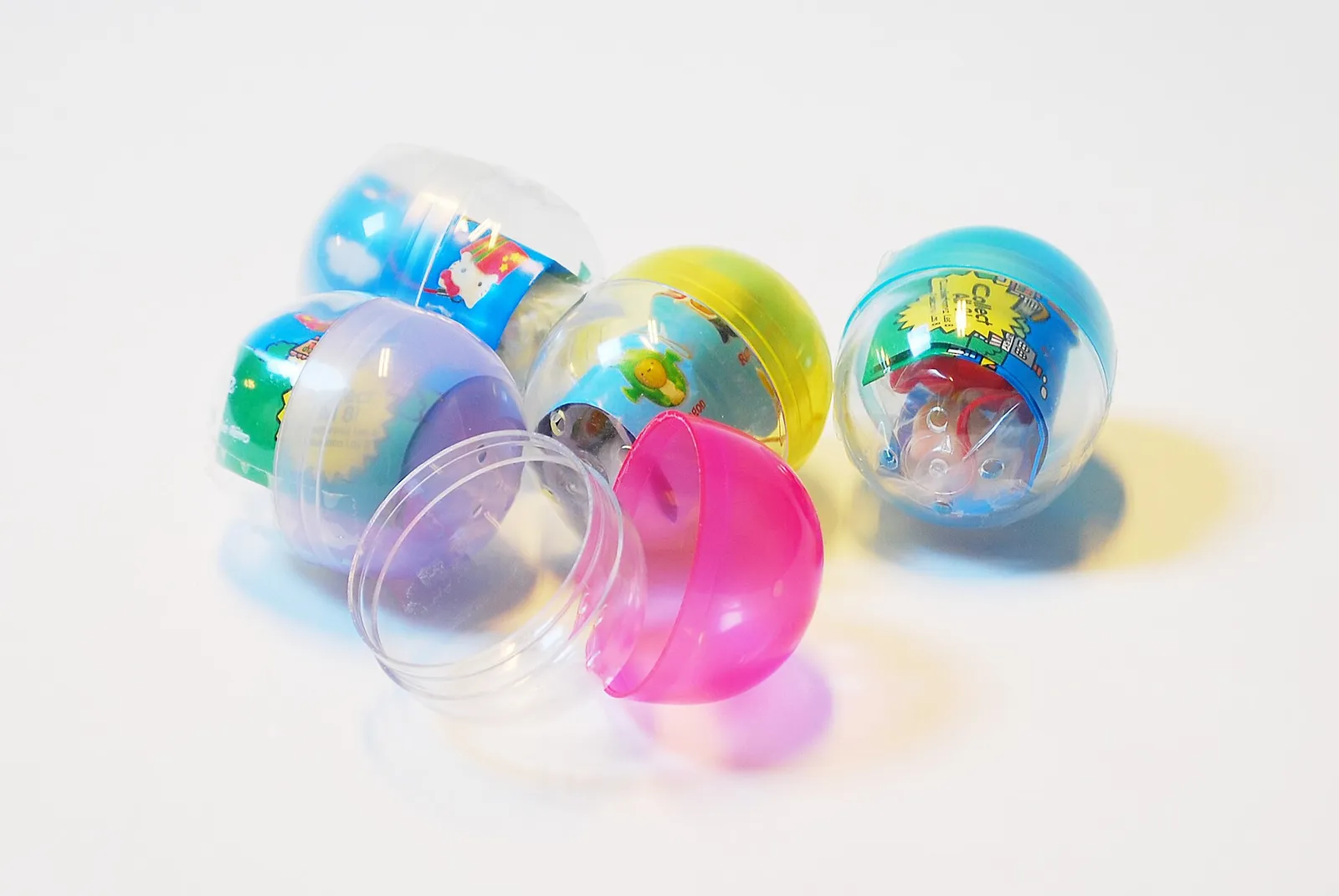
| Gashapon (capsule toys) | ¥300-500 per capsule as of October 2026, machines sorted by theme; turn the dial, no skill involved, dangerously repeatable |
Bandai’s Ikebukuro gashapon specialty stores — a full floor of several hundred machines — are the genre’s cathedral; the main Akihabara counters are equally deep. Trading figures (the blind-box “trading” sizes) make the best souvenirs: cheap, small, and every capsule a small drama. Pachinko parlors are a separate, louder species — japan-guide’s pachinko page explains the ball-economy if you are curious.
Manga Cafes and Karaoke: The Night Shift
Two institutions absorb your evenings cheaply. Manga cafes (manga kissa) are private booths with walls of free-read manga, free soft drinks and recliners, priced around ¥300 per 30 minutes with packages near ¥1,000 for three hours — many run 24 hours, which makes them a legal budget-lodging hack as much as a reading room. Bring your passport for registration. Karaoke boxes are private rooms by the half hour — roughly ¥100-300 per person off-peak, up to ¥400 at peak, or free-time packages from about ¥500 off-peak to ¥2,500 peak — with English song catalogs, phone ordering and drink-bar add-ons. Chains (Big Echo, Karaoke Kan) have the newest song lists; a first-timer form and ID at reception is standard.
Taking It Home: Tax-Free, Boxes and the Suitcase
Figure math starts at the register: tax-free shopping needs your physical passport and ¥5,000 spent at one store in one day — a single 1/7-scale figure clears it alone. The system changes November 1, 2026: you pay the tax-inclusive price in-store and claim the refund at the airport before departure, which means every item on a receipt must be present at customs verification — do not bury your figures in checked luggage, and keep receipts with the goods (the money guide has the full procedure).
Then there is the box problem. Serious collectors debate opening the box to save luggage volume — do it only for keepsakes, never for anything you might resell (sealed boxes hold value). For the big stuff, use takkyubin luggage forwarding: your hotel front desk ships a suitcase (about ¥2,000-2,500, next-day) to your next hotel or the airport counter, which frees your carry-on for fragile purchases — the packing guide covers the paperwork. Bubble-wrapped figures ride best in a hard-shell carry-on you then babysit; a dented corner cannot be refunded.
Common Mistakes
- Arriving anywhere before noon. Mandarake opens at 12, Nakano Broadway’s stalls around the same, Ikebukuro’s towers at 10-11 — sleep in, shop late, and save 9 a.m. for shrines.
- Skipping Nakano Broadway for Akihabara only. The vintage and second-hunter finds live in Nakano — one Chuo-line stop pattern from Shinjuku, and prices on used figures run noticeably fairer.
- Buying on the first pass. Radio Kaikan’s floors repeat categories across dealers; scout the whole tower, note prices, then buy on the way down. New-release prices are fixed by law, but second-hand prices vary wildly by shop.
- Handing over your passport for tax-free then packing the goods in checked bags. From November 2026, missing items void the entire receipt’s refund at the airport. Figures fly carry-on.
- Shipping the empty suitcase theory too hard. Takkyubin is next-day to hotels — schedule it two nights before your flight for airport pickup, not the evening before.
- Assuming arcades are child’s play. Fighting-game cabinets run on queue discipline and winner-stays; watch the line before you step into it, and keep medal-game spending to a fixed stack of coins.
- Forgetting Sunday. Chuo-dori’s pedestrian hours are Akihabara’s best atmosphere all week — if your trip allows exactly one Akiba day, make it Sunday afternoon.