Anime and Pop Culture Japan: 10 Days in Tokyo, Kyoto and Osaka
A ten-day route through modern Japan's fan geography: six days in Tokyo covering Akihabara's figure floors, Ikebukuro's character emporiums, Nakano Broadway's collector arcades and the Ghibli Museum (whose monthly ticket allocation on the 10th is a real contest), then Kyoto for the International Manga Museum and a shrine-and-studio-park day, ending in Osaka for Den Den Town and a full day at Universal Studios Japan with Super Nintendo World. This guide explains the three bookings that can sink the trip if missed — Ghibli's allocation, USJ's mandatory advance tickets, and Express Pass pricing from ¥6,800 to ¥23,800 — plus the pass math for a two-shinkansen route.
Route: Tokyo Kyoto Osaka
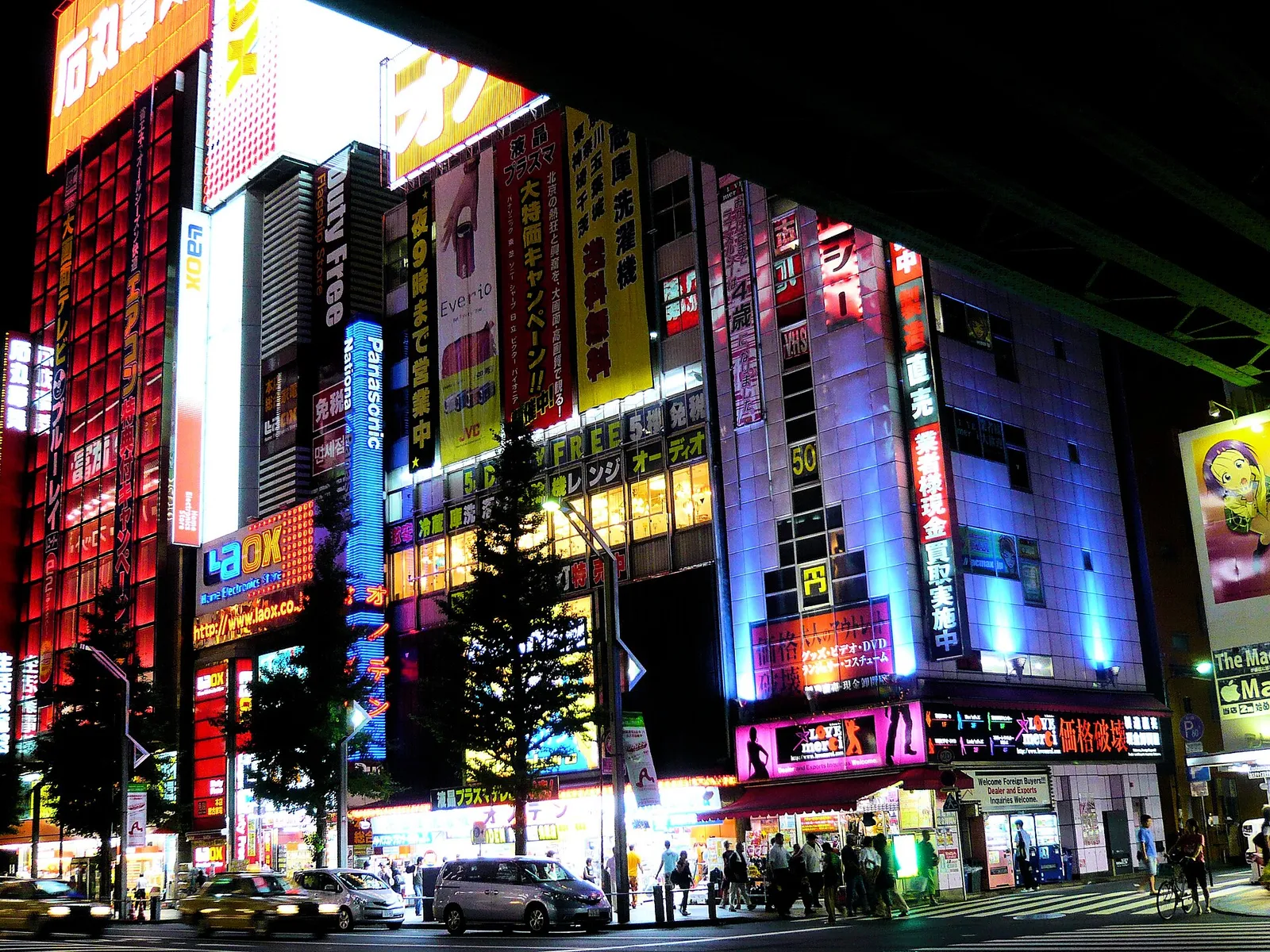
Ten days is the right length for pop-culture Japan because the good stuff is booked, not just found. This route spends six days in Tokyo — Akihabara, Ikebukuro, Nakano Broadway and the Ghibli Museum — then two in Kyoto for manga and shrine scenery, and two in Osaka for otaku shopping and a full day at Universal Studios Japan. The three constraints that shape everything: Ghibli tickets, USJ advance tickets, and shinkansen seats. Book those before you fly; everything else can be improvised.
Day 1: Arrive in Tokyo, Evening in Akihabara
Land, drop bags, and make the first pilgrimage tonight: Akihabara’s Chuo-dori under full neon, with a first pass through the multi-floor figure and character shops near the station (most open until about 8 p.m.). You are only scouting tonight — marking floors and return targets — so save your wallet for tomorrow.
Practical tip: Akihabara station is served by the JR Yamanote line, three minutes from Tokyo Station; an IC card in your phone wallet covers the ride. Sunday is the district’s big day — Chuo-dori goes pedestrian-only 1-6 p.m. — so keep Akihabara flexible across this week.
Day 2: Akihabara, Properly
The full day: Radio Kaikan’s ten floors of specialist dealers (10 a.m.-8 p.m.), Mandarake Complex for second-hand rarities (opens noon), Super Potato for retro consoles and cartridges, and the giant Yodobashi electronics annex next to the station (9:30 a.m.-10 p.m.) for Japan-only gadgets. Cap it with a maid cafe set — the big ones have English-speaking staff — which is touristy, beloved, and entirely the point.
Practical tip: Tax-free shopping needs your passport carried on you, not photocopied — stores stamp it at a minimum spend. Card payments are near-universal in Akihabara, unlike the street stalls elsewhere on this route.
Day 3: Ghibli Museum and Kichijoji
The day the trip is built around. In Mitaka, the Ghibli Museum is a fixed-timed-entry, no-same-day-tickets museum (¥1,000): tickets for each month are released on the 10th of the previous month through Lawson’s ticket site and disappear fast, while overseas visitors can buy allocated vouchers through JTB from the 1st, up to three months ahead. After your slot, walk Inokashira Park to Kichijoji for a leafy afternoon of backstreet shops.
Practical tip: If the 10th-of-the-month release beats you, try JTB vouchers first, then weekdays later in the month — weekends go first. Book your entry time for the museum’s opening slot to bank an afternoon in Kichijoji.
Day 4: Ikebukuro, then Shibuya after Dark
Ikebukuro is the west side’s fan capital: the flagship Animate tower for manga and character goods, the Pokemon Center in Sunshine City, and Otome Road’s cluster of fan-goods shops aimed at female fans. Late afternoon, hop the Yamanote line to Shibuya for the scramble crossing, the Nintendo and Pokemon flagship stores, and dinner in the backstreets.
Practical tip: Ikebukuro’s big stores open around 10-11 a.m. — later than Akihabara’s — so linger over breakfast and hit Animate when the doors open, not before. Popular items (trading-figure boxes, limited goods) sell out by afternoon.
Day 5: Nakano Broadway and Harajuku
Morning at Nakano Broadway, the collector’s alternative to Akihabara: a complex of dozens of small dealer shops — the Mandarake network’s home ground — strong on vintage manga, cels, and retro toys. Many stalls open around noon, so time the train. Afternoon in Harajuku for Takeshita Street’s kawaii overload, then step into the stillness of Meiji Shrine’s forest for contrast — modern and ancient Tokyo share a station.
Practical tip: Nakano is one Chuo-line rapid from Shinjuku (about 5 minutes); the Broadway complex connects directly from the station’s north exit, so rain never ruins this day.
Day 6: Shinkansen to Kyoto, Manga Museum
Nozomi to Kyoto in about 2 hours 20 minutes (around ¥14,000). Check in, then spend the afternoon at the Kyoto International Manga Museum — ¥1,200 entry, 10 a.m.-5 p.m. — a former school housing walls of manga you can pull and read on the lawn. Evening: first walk through Gion’s lantern-lit lanes.
Practical tip: The Manga Museum closes Wednesdays (next day if a holiday falls Wednesday) — check your calendar and shuffle Kyoto’s days accordingly. Same-day tickets are normal; no advance booking needed.
Day 7: Shrine Mornings, Studio Park Afternoons
Kyoto’s pop-culture day. Early at Fushimi Inari — free, open 24 hours, and the tunnel of vermilion torii that appears in half the anime you have ever watched — then west to Toei Kyoto Studio Park, a working film-lot theme park of samurai and ninja sets with costumed streets and ninja-maze attractions. It is gloriously cheesy and uniquely Japanese.
Practical tip: Fushimi Inari before 8 a.m. is the difference between a photo and a queue photo; the studio park’s attractions wind down by late afternoon, so do the park second, not first.
Day 8: Kyoto to Osaka, Den Den Town after Dark
Thirty minutes and about ¥750 by JR rapid to Osaka. Drop bags, then head to Den Den Town, the Nipponbashi district that is Osaka’s answer to Akihabara — anime shops, figure dealers, maid cafes — smaller and easier to digest in one pass. After dark, move to Dotonbori for the canal neon and a glico-sign photo, plus dinner from the street-food canon.
Practical tip: Den Den Town sits astride Nipponbashi station, two subway stops from Namba — do it as an evening, when the signs are lit and the day-trippers have gone. Keep Sunday for USJ, not this.
Day 9: Universal Studios Japan and Super Nintendo World
The big-ticket day. As of May 2025 USJ sells no tickets at the gate — buy your dated Studio Pass in advance (adults ¥8,400-9,400, dynamic by day) through the official site or a reseller like Klook, because foreign cards sometimes fail on the official one. Super Nintendo World caps daily entry: without an Express Pass you claim a timed-entry ticket in the app on arrival, and on the busiest days it becomes a lottery.
Practical tip: Express Pass (from ¥6,800 for 4 rides to ¥23,800 for 7 at peak) is the guaranteed Nintendo World route and sells out ahead of peak weeks — if you visit in a holiday period, decide Express-or-not when you book the flight, not at the park gate.
Day 10: Last Morning in Osaka, Fly Home
If the flight is evening, spend the morning easy: Osaka Castle Park’s moat views, or a last lap of the Shinsaibashi arcades for gifts that survived the trip unbought. Kansai Airport is 35-45 minutes from Namba on the Nankai line — the airport’s own shopping street will absorb any remaining yen convincingly.
Practical tip: Get to Namba station 30 minutes before your train; the Nankai airport express takes reserved seats, and mid-afternoon trains fill with exactly everyone leaving the same day you are.
Practical Notes
Intercity transport
| Leg | Mode | Time | Cost (approx.) |
|---|---|---|---|
| Tokyo → Kyoto | Nozomi shinkansen | ~2 h 20 min | ~¥14,000 |
| Kyoto → Osaka | JR special rapid | ~30 min | ~¥750 |
| Namba → Kansai Airport | Nankai express | 35-45 min | ~¥1,000 |
Fares as of October 2026. Book the shinkansen leg two or three days ahead on SmartEX; station lockers take IC payment for the oversized-souvenir problem.
Budget estimate (per person, excluding international flights)
- Backpacker: US$1,200-1,600 — hostels, konbini food, one Express-Pass-free USJ day
- Mid-range: US$1,900-2,700 — 3-4-star hotels, character-budget of ¥5,000-10,000 a day, USJ with a 4-ride Express Pass
- Comfort: US$3,200-4,800 — design hotels, the 7-ride Express Pass, a Ghibli-adjacent Kichijoji splurge dinner
USJ is the budget wildcard: pass plus mid-tier Express Pass can hit ¥25,000-30,000 in a day before food.
JR Pass verdict
No pass. Two shinkansen legs totaling about ¥15,000 cannot compete with a ¥50,000 seven-day pass — the JR Pass guide exists for longer loops, and the JR Pass calculator will say the same about this route. Put the ¥35,000 you save into the Express Pass tier you actually want at USJ.
Sources & verification (10)
- https://www.japan-guide.com/e/e3003.html
- https://www.japan-guide.com/e/e3038.html
- https://www.japan-guide.com/e/e3069.html
- https://www.japan-guide.com/e/e3041.html
- https://www.japan-guide.com/e/e3946.html
- https://www.japan-guide.com/e/e3915.html
- https://www.japan-guide.com/e/e4021.html
- https://www.japan-guide.com/e/e4001.html
- https://www.japan-guide.com/e/e2363.html
- https://www.japan-guide.com/e/e2361.html