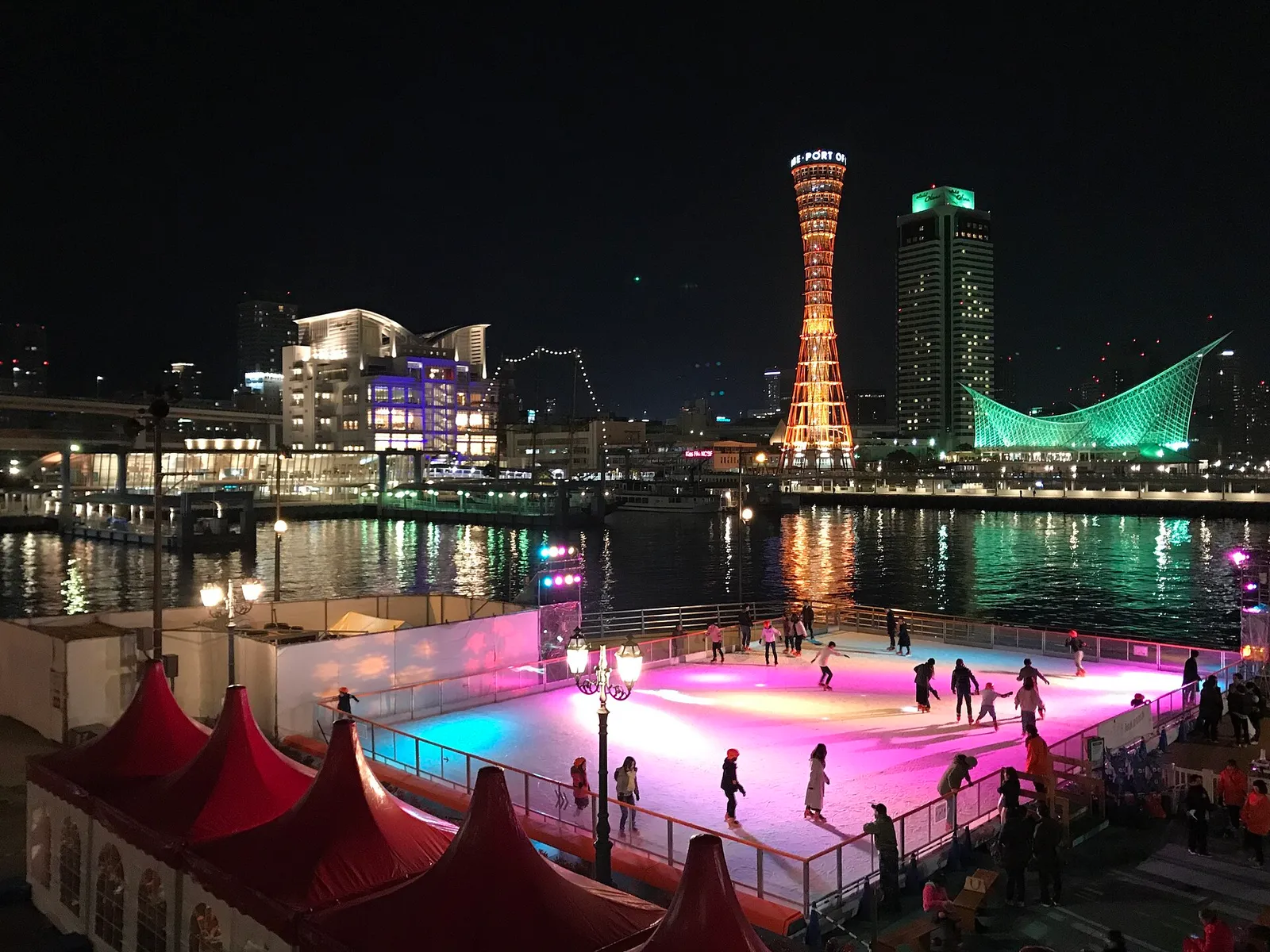
Kobe is the compact, cosmopolitan port city squeezed between Osaka Bay and the Rokko mountains — the capital of Hyogo Prefecture and home to about 1.5 million people. Foreign traders built its hillside villas and Chinatown after the port opened in 1868, an earthquake nearly leveled it in 1995, and it rebuilt into one of Japan's most pleasant waterfront cities. The core experiences are a steak dinner with a certification seal, the harbor promenade of Meriken Park and Harborland, the Kitano Ijinkan villa district, a mountain night view from Mt. Rokko, and a soak in 1,000-year-old Arima Onsen. It is 20-30 minutes from Osaka and about 50 from Kyoto, which makes it an easy day trip — or a better overnight, with a ryokan in the hills. Best for food-first travelers, couples, and anyone basing in Kansai.
Top sights at a glance
No. 1
Meriken Park & Harborland
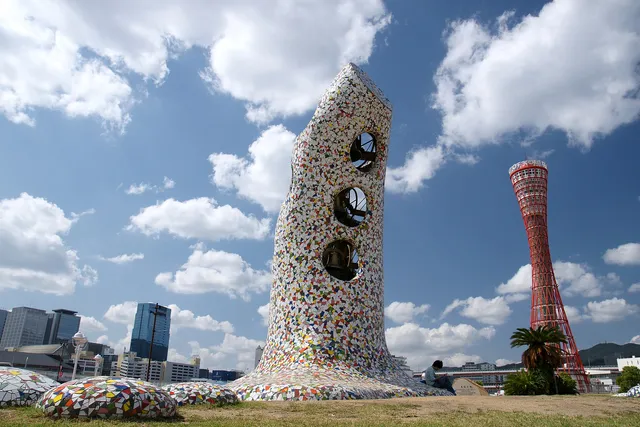
Kobe's waterfront in two connected acts. Meriken Park is the postcard: the red, hyperboloid Kobe Port Tower (1963, 108 meters), the sail-shaped Maritime Museum sharing a building with Kawasaki Good Times World, and a quiet earthquake memorial — a stretch of 1995-cracked quay left unrepaired on purpose. Five minutes west, Harborland turns the old dockyard into brick warehouses, gas-lit promenades, and the Umie malls, with ferris wheel and harbor-view restaurants at the Mosaic end. At dusk the whole bay flips to floodlights and reflections.
Good to know · The park and promenade are free and always open. Port Tower costs ¥1,000 (¥1,200 with the open-air rooftop deck), 9:00-23:00 daily; the Maritime Museum is ¥900, 10:00-18:00, closed Mondays — as of October 2026. Harbor bay cruises start at ¥1,500 for 45 minutes. Nearest stations: Motomachi (JR/Hanshin) for the park, Kobe or Harborland subway for the malls.
No. 2
Kitano Ijinkan District
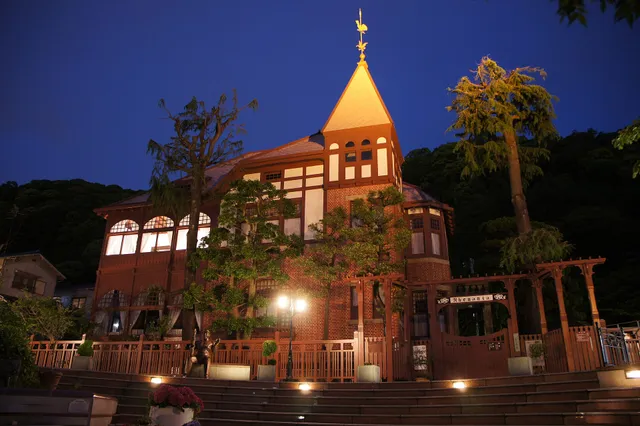
When the port opened in 1868, foreign merchants built their houses on the hillside above town, and a dozen-plus of these ijinkan — 'foreigners' residences' — survive as museums. The two stars are the Weathercock House, a 1909 German trader's villa crowned by a rooster-shaped weathervane and designated an Important Cultural Property, and the 1903 Moegi House, built for the American consul-general, with bay windows and a veranda view over the city. The lanes between them are now Kobe at its most photogenic: cafes, boutiques, and wedding-shoot architecture, ten to fifteen minutes' walk uphill from Sannomiya.
Good to know · Individual houses charge around ¥500-1,000 each (Weathercock and Moegi ¥500, 9:00-17:00; the Weathercock closes the third Tuesday of the month), and combination tickets covering three to seven houses run ¥1,500-3,300, as of October 2026. Pick two or three houses, not all of them. From Shin-Kobe Station the district is a ten-minute walk — pair it with the Nunobiki Herb Gardens ropeway above.
No. 3
Mt. Rokko & the Night View
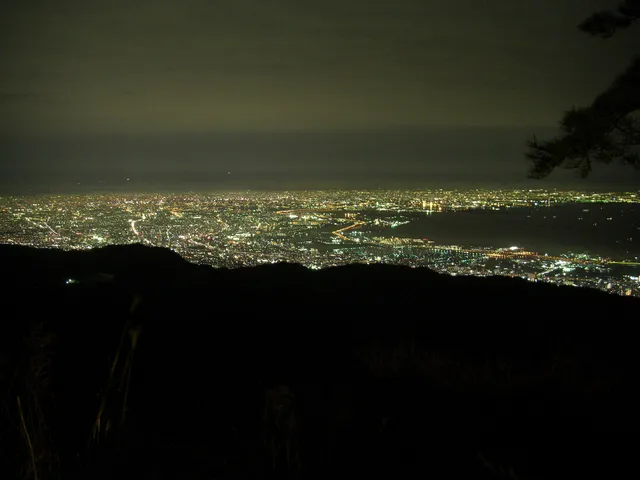
The 931-meter wall of the Rokko range is Kobe's back garden, and from the top the entire Hanshin coastline — Kobe's harbor, Osaka's skyline, the Akashi Strait bridge — spreads below in one frame. The night view is the city's pride, billed locally as the 'ten-million-dollar night view' and ranked by Japanese guidebooks alongside Hakodate's and Nagasaki's. The summit plateau holds Rokko Garden Terrace (restaurants and an observation deck), a music box museum, and Japan's first golf course, stitched together by a circular bus. The connoisseur's alternative is next-door Mt. Maya, whose Kikuseidai terrace is darker and, on a clear night, even sharper.
Good to know · From Sannomiya, take the Hankyu line to Rokko Station (7 minutes, ¥200), then bus #16 to the cable car base (¥230); the cable car costs ¥800 one way, ¥1,550 round trip — as of October 2026. Time your visit to arrive 30-40 minutes before sunset and stay for the lights. Bring a layer; the summit runs several degrees cooler than the harbor. Check return cable car times before you wander off.
No. 4
Arima Onsen
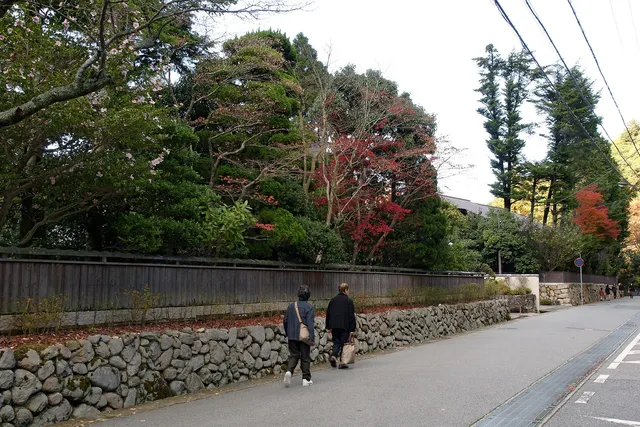
A hot-spring town with more than a thousand years of recorded history — one of Japan's oldest — tucked in a mountain valley within Kobe's city limits. Arima's distinction is its two spring waters: kinsen, the iron-rich 'gold water' that runs coffee-brown, and ginsen, the clear, radium-bearing 'silver water.' The compact town center is wooden facades, narrow lanes, temples, and free public foot baths, with day baths at two public bathhouses (Kin no Yu and Gin no Yu) and at the ryokan, whose evening kaiseki dinners are the reason to stay overnight. It is the easiest genuine onsen experience in Kansai — 30-40 minutes from downtown Kobe.
Good to know · Kin no Yu costs ¥800 (¥600 weekdays), 8:00-22:00, closed the second and fourth Tuesday; Gin no Yu ¥700 (¥550 weekdays), 9:00-21:00, closed the first and third Tuesday; a both-baths ticket is ¥1,200 — as of October 2026. From Sannomiya, the subway-plus-Shintetsu train runs ¥720, or take the direct bus (from ¥600). Day-bath etiquette and tattoo policies are covered at /guides/onsen-guide/.
No. 5
A Kobe Beef Dinner
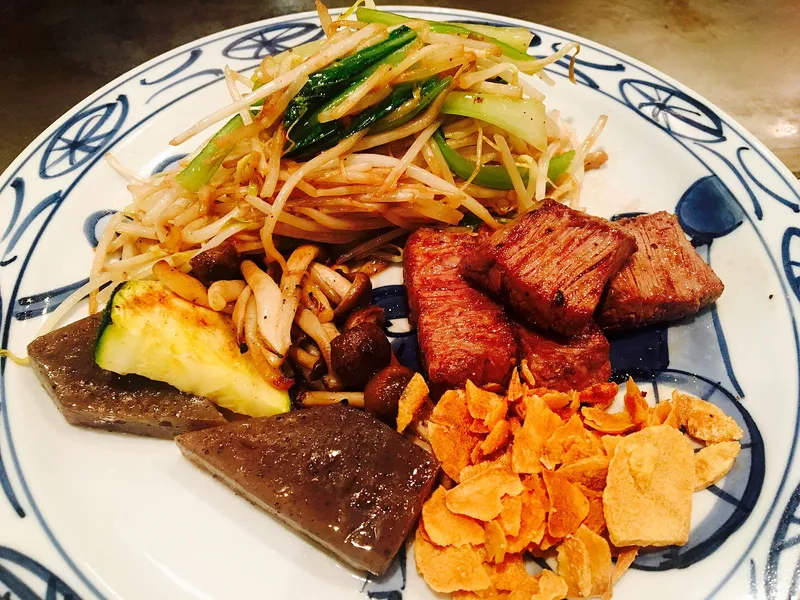
The world's most famous beef is a strictly-guarded trademark, not a slogan: only meat from pedigreed Tajima cattle born, raised, and slaughtered in Hyogo Prefecture that passes the top marbling grades earns the name, and each certified carcass is stamped and issued a certificate of authenticity. The beer-and-massage stories are mostly myth; the marbling is the entire argument. In Kobe it is served as teppanyaki — seared on an iron plate in front of you — or as steak, shabu-shabu, and sukiyaki, at counters from Sannomiya to the hillside villas. A full teppanyaki dinner runs ¥8,000-30,000 per person; lunch sets at the same counters are the budget route, and uncertified Tajima wagyu next door costs a fraction.
Good to know · Book teppanyaki counters one to three days ahead, and check the restaurant list on the official Kobe Beef association site — certified restaurants display the association's seal. Budget ¥8,000-30,000 for dinner, or go at lunch when many counters offer set menus well below dinner prices, as of October 2026. If the numbers don't fit, order Tajima-gyu or Hyogo wagyu: same breed, lower certification bar, half the price. Reserve with 「神戸牛のコースをください」(Kobe-gyu no kosu o kudasai) — printable at /cards/.
See it in motion
Some places earn a moving picture
Stills can't show how this place moves — the drift, the light show, the crowd flow. We picked a recent, high-quality walkthrough rather than a promotional cut.
Kobe - Kobe Harborland to Sannomiya Walking Tour [4K/HDR/Binaural]
Video Street View Japan · YouTube · plays on click
Embedded via YouTube's official player (privacy-enhanced mode). Video: Kobe - Kobe Harborland to Sannomiya Walking Tour [4K/HDR/Binaural] by Video Street View Japan. Not affiliated with Japan Travel Navi; screened for quality and accuracy on 2026-10-06.
Kobe is the most easygoing city in Kansai — a port squeezed between Osaka Bay and a mountain wall, walkable in the center, and built around three simple pleasures: a steak with a pedigree, a harbor at dusk, and a hot spring in the hills. Where Osaka performs and Kyoto meditates, Kobe strolls. The city is compact enough that first-timers can see the harbor, the hillside villas, and the night view in one full day, and it sits 20-30 minutes from Osaka and about 50 from Kyoto, which makes it either the region’s easiest day trip or its most underrated overnight. Food-first travelers, couples, and anyone basing in Osaka who wants steak, onsen, and sea air without changing hotels.
A Bit of History
Kobe’s story begins with a treaty. When Japan was forced open in the 1850s, the agreements signed in 1858 designated this stretch of coast for foreign trade, and the port of Kobe opened on the first day of 1868 — among the first of the treaty ports, alongside Yokohama and Nagasaki. Foreign merchants leased a planned settlement by the water, and when business outgrew it they built their villas on the hillside above; Chinese merchants settled near the docks and founded Nankinmachi, today one of Japan’s three real Chinatowns, named for Nanjing. Almost everything visitors love about Kobe’s streetscape — the Kitano ijinkan, the coffee-and-cake culture, the town’s permanently cosmopolitan self-image — dates from that single decade, and the foreigners never entirely left: the trading houses became the city’s great companies, their villas its museums.
The port made the city rich on silk, rice, and sake: the Nada district east of downtown became, and remains, Japan’s largest sake-producing region, shipping from the piers beside it. Kobe spent the early twentieth century as one of Asia’s biggest ports and proudest shipyards, the maritime economy run out of red-brick warehouses that still stand at Harborland.
Then came the morning that redefined the city. At 5:46 a.m. on January 17, 1995, the Great Hanshin-Awaji Earthquake — its epicenter directly under the city — killed more than 5,000 people and destroyed tens of thousands of buildings in seconds of shaking. The port, the elevated expressways, and whole neighborhoods collapsed; a city that had assumed itself earthquake-safe learned otherwise before breakfast. What followed is the part Kobe now tells best: a rebuild that restored the city within a decade, a memorial park that preserves a shard of shattered quay on purpose, and a December light festival that began as a tribute to the dead. The waterfront memorial museum tells the recovery in survivors’ own recordings — volunteer storytellers, many of them living witnesses, take turns on the exhibit floors. Modern Kobe — capital of Hyogo Prefecture, about 1.5 million people, among Japan’s ten largest cities — is calm, glossy, and pleasant in a way that reads as earned.
Culture & Daily Life
Kobe is Japan’s most foreign-flavored big city outside Yokohama, and it wears the history lightly. The settlement era left the town a permanent taste for bakeries, patisseries, and long coffees — weekend Kobe reliably includes a cake queue, and the old bakeries near Kitano treat a morning pastry as civic heritage — and a stylishness that Kansai jokes about: Kobe’s self-image is the elegant western exit of the region, a little too fashionable for its own good, and it knows it. The boutiques and vintage arcades around Sannomiya trade on exactly that self-image. People speak Kansai dialect here as in Osaka, but softer and less theatrical, and the pace is noticeably calmer; stand on the right on escalators like the rest of Kansai, and otherwise the mechanics of daily life are standard nationwide — IC cards on everything, no tipping, konbini everywhere. Payments and connectivity are covered at /guides/money-and-payments/ and /guides/internet-esim-connectivity/.
The civic calendar has two moments. In summer, harbor festivals put fireworks over the bay; each December, the Kobe Luminarie — an illuminated Italian-designed arch street begun after the 1995 earthquake — draws the whole city out at night. It exists because the city rebuilt, and locals will tell you so; if you are here in December, see it.
One honest note on orientation: Kobe’s center is not around Kobe Station. It is Sannomiya, three rail companies’ hub a couple of kilometers east, where the eating, drinking, and shopping concentrate — getting this wrong costs you an hour a day of commuting. The geography is friendlier than the map suggests: the harbor sits 10-15 minutes’ walk south of Sannomiya, the Kitano hillside 10-15 minutes north, Chinatown in between, so a fit walker strings the whole center together on foot. Everything else connects by the ¥300 loop bus or a 15-30 minute walk.
Nature & Day Trips
Kobe’s geography is its quiet superpower: mountains start where the streets end. Behind Shin-Kobe Station, the Nunobiki ropeway (round trip ¥2,000 with the hilltop Herb Gardens, as of October 2026) lifts you from shinkansen platform to flower terraces in five minutes, with hiking trails down past a 43-meter waterfall. The big wall is the Rokko range — see the night view entry below — and on its far side sits Arima Onsen, the onsen-within-the-city that most visitors treat as Kobe’s best half or full day. In summer, Suma beach west of center is a real, serviceable swimming beach about 20 minutes from downtown, which almost no other big Japanese city can claim.
As a day-trip base, Kobe runs second in Kansai only to Osaka. Himeji and its great white castle are about 40 minutes west on the JR Kobe Line — the classic combo is Himeji in the morning, Kobe beef and the harbor at night. Osaka and Kyoto are both under an hour, and Awaji Island and the Akashi Kaikyo Bridge — for two decades the world’s longest suspension bridge — sit just off the harbor. Skiers can even bus from Kobe to Rokko’s small snow park in winter, though that is a novelty, not a destination.
Food & Drink
Start with the headline: Kobe beef has its own entry in Top Sights below, because in this town dinner is a sight. Around it, Kobe eats lighter and sweeter than Osaka. The foreign settlement left a bread-and-cake lineage — old-school bakeries and patisseries here are destination-grade, and a café breakfast with a slice of gateau is a legitimate Kobe activity. Nankinmachi, the compact Chinatown between Sannomiya and the harbor, runs almost entirely on street food: steamed pork buns, buta-man, sold from window counters — buy one, eat it standing by the stall, and keep moving — plus ramen counters and tapioca stands; shops run roughly 10:30-19:00, and it is a snack stop, not a dinner plan.
The sleeper food story is sake. The Nada district, 10-15 minutes east on the Hanshin line, is Japan’s largest sake-producing region — the mineral-rich spring water the industry prizes, the quality rice grown on the plains behind the mountains, and the port made it the brewers’ capital, and a large share of Japan’s sake comes out of these few kilometers. A string of brewery museums is free to enter: Hakutsuru’s (9:30-16:30, five minutes from Hanshin Sumiyoshi Station, ¥200 from Sannomiya) has the best English exhibits, ends in a tasting counter with a complimentary pour, and sends you home with bottles at brewery prices. Budget ¥3,000-5,000 for a very good ordinary dinner with drinks in Sannomiya, where the back alleys a block off the main streets hold the izakaya and standing-bar culture Kansai does so well; the harbor-view restaurants at Harborland’s Mosaic add 20 percent and a view. And leave suitcase space: between the bakery boxes and the sake bottles, Kobe is a souvenir city. First-timer food guidance — ordering, allergies, etiquette — lives at /guides/japanese-food-first-timers/, and the phrase 「これをください」 (kore o kudasai) is printable at /cards/.
Top Sights
Meriken Park & Harborland
Kobe’s waterfront works as one connected mile, and the correct visit is to walk all of it. Start at Meriken Park, the reclaimed-land promenade where the city shows off: the red Kobe Port Tower, the Maritime Museum’s sail-white frame, and the deliberately-preserved broken quay from 1995 — a quiet, well-labeled earthquake memorial meters from the ice cream stands. Photograph the BE KOBE letters, then walk five minutes west to Harborland, the old dockyard turned brick-warehouse-and-mall district, whose Mosaic terrace looks straight back across the water at everything you just photographed. After dark the whole bay flips to floodlights and reflections, and the promenade fills with the evening crowd.
The numbers: everything outdoor is free. The Port Tower (¥1,000, or ¥1,200 with the rooftop deck, 9:00-23:00 daily) and the Maritime Museum (¥900, 10:00-18:00, closed Mondays, as of October 2026) are both worth the entry. Forty-five-minute harbor cruises start at ¥1,500 from the terminal between the two districts. Nearest stations: Motomachi for the park, JR Kobe Station or the Harborland subway stop for the malls.
Kitano Ijinkan District
The hillside directly behind Sannomiya is where the foreign merchants of the 1870s-1900s built their homes, and it survives as Japan’s best district of Western-style historic houses — a dozen-plus ijinkan open to enter, most with original structures and furniture. The Weathercock House (1909), a red-brick German trader’s villa with a rooster weathervane on its spire, is an Important Cultural Property and the neighborhood’s icon; the Moegi House (1903), built for the American consul-general, has the best veranda view over the city to the harbor. Between them sit cafes and boutiques in Western houses of their own.
You do not need to buy every ticket. Two or three houses is a rich visit — most people do the Weathercock and Moegi (¥500 each, 9:00-17:00) and skip the rest — and combination tickets for three to seven houses (¥1,500-3,300, as of October 2026) only pay off if you genuinely want a full morning of it. It is a 10-15 minute uphill walk from Sannomiya or Shin-Kobe; come in the morning before the wedding shoots clog the lanes, and note the Weathercock’s closure on the third Tuesday monthly.
Mt. Rokko & the Night View
Every Japanese city has a mountain view; Kobe’s is a national argument. From Rokko Garden Terrace at the top of the 931-meter ridge, the lit coastline runs unbroken from the Akashi Strait bridge in the west to Osaka’s cluster in the east — one continuous city of millions, and the local branding calls it the ten-million-dollar night view. Japanese night-view rankings have argued for a century over the canonical trio, and Kobe, with Hakodate and Nagasaki, is in every version of the conversation. The summit plateau has more than the view — a music box museum, gardens, Japan’s first golf course — but the honest itinerary is simple: go up an hour before sunset, watch the lights come on, eat at the Terrace, come down.
Access is a chain but a cheap one: Hankyu line from Sannomiya to Rokko Station (7 minutes, ¥200), bus #16 to the cable base (¥230), then the cable car itself (10 minutes; ¥800 one way, ¥1,550 round trip, as of October 2026) — or skip the summit and ride the Nunobiki ropeway from Shin-Kobe instead. Summits run several degrees cooler than the harbor; bring a layer. If nights are your whole point, Mt. Maya’s Kikuseidai terrace next door is the locals’ pick — darker sky, same coastline.
Arima Onsen
Arima is the answer to the question every Kansai visitor eventually asks: can I do a real onsen town without a long trek? Yes — this one has more than a thousand years of recorded history, making it one of Japan’s oldest hot spring resorts, and it sits inside Kobe’s city limits, over the Rokko ridge from downtown. The town is small, steep, and atmospheric: lanterned lanes, temple gates, free foot baths, and wooden ryokan facades. Its two springs are the textbook detail — kinsen, the iron-dark “gold water,” and ginsen, the clear radium “silver water” — and the public bathhouses split them: Kin no Yu in the town center for the gold, Gin no Yu up the hill for the silver.
Day visitors: ¥800 buys the gold bath (¥600 weekdays; 8:00-22:00, closed second and fourth Tuesdays), ¥700 the silver (¥550 weekdays; 9:00-21:00, closed first and third Tuesdays), ¥1,200 both, as of October 2026. The free foot bath outside Kin no Yu is the budget consolation. The better plan is the overnight: a ryokan with kaiseki dinner — many serve Kobe beef — and the baths to yourself after the day-trippers leave. Getting there is covered below; bathing etiquette and tattoo policies are at /guides/onsen-guide/.
A Kobe Beef Dinner
The name on the menu is a legal certification, and that is what makes eating it in Kobe different from anywhere else. Kobe beef comes only from pedigreed Tajima cattle born, raised, and slaughtered in Hyogo Prefecture; only meat passing the strictest marbling grades earns the trademark. Each certified carcass is stamped in four places and issued a certificate of authenticity by the Kobe Beef association — the seal to look for on a restaurant’s wall. The beer-and-sake-massage legends, for the record, are not how it works; the breeding and the grading are.
The budget ladder is honest. A full teppanyaki dinner — a chef, an iron plate, a course from appetizer to the marbled cut — runs ¥8,000-30,000 per person, as of October 2026; the same counters at lunch often serve set menus at a fraction of dinner prices — the smart traveler’s move. Below that, uncertified Tajima wagyu delivers a closely related experience for half or a third. Book the famous counters one to three days ahead (hotel front desks will do it). Start from the association’s official certified-restaurant page rather than the loudest sign in Sannomiya.
Getting There & Around
Kobe sits on every Kansai axis. From Tokyo, the Nozomi shinkansen reaches Shin-Kobe in about 160 minutes (¥14,420 one way, around ¥15,000 reserved, as of October 2026); from Osaka, three parallel railroads race along the bay — JR special rapids from Osaka Station in about 20 minutes, Hankyu and Hanshin locals from Umeda in 25-35 (roughly ¥330-420 by operator) — and from Kyoto the JR special rapid does Sannomiya in about 50. From Kansai Airport, the airport bus runs about 75 minutes (¥2,000), or take the 30-minute Bay Shuttle ferry (¥1,880) to Kobe Airport. Kobe’s own airport connects to Sannomiya by Port Liner in under 20 minutes (¥340).
In town, Sannomiya — not Kobe Station — is the center. The harbor, Chinatown, and Kitano are walkable from it; the ¥300 City Loop sightseeing bus stitches them together (¥800 day pass), and the Kobe Meguri 1-day coupon (¥1,000) covers subways and city buses with discount perks, with versions from Osaka (¥1,650) and Kyoto (¥1,800) including the train in. IC cards work on everything. To Arima Onsen: subway plus Shintetsu train via Tanigami, 30-40 minutes and ¥720, or direct buses from Sannomiya (from ¥600).
Where to Stay
Sannomiya is the practical base for first-timers: every train line, the loop bus, the eating streets, and the walks to Kitano and the harbor all start here, and business-hotel rates run below Osaka’s. You will change nothing all day except shoes.
Harborland and the waterfront suit couples and slow travelers: harbor-view rooms, the evening promenade out the door, and a calmer night than central Sannomiya — at the cost of a short train hop to the food streets. Kitano and Shin-Kobe, on the hillside, trade convenience for atmosphere: small boutiques in Western houses, the ropeway next door, and quiet — pick these for a second Kobe night or a ryokan-style splurge.
The real Kobe splurge, though, is not in the city at all: Arima Onsen’s ryokan, over the ridge, where the price includes the baths, the kaiseki dinner, and the morning fog. Book December’s Luminarie season weeks ahead — the whole region comes to Kobe for the lights.
Sources & verification (18)
- https://www.japan-guide.com/e/e2159.html
- https://www.japan-guide.com/e/e3550.html
- https://www.japan-guide.com/e/e3551.html
- https://www.japan-guide.com/e/e3552.html
- https://www.japan-guide.com/e/e3553.html
- https://www.japan-guide.com/e/e3554.html
- https://www.japan-guide.com/e/e3555.html
- https://www.japan-guide.com/e/e3556.html
- https://www.japan-guide.com/e/e3557.html
- https://www.japan-guide.com/e/e3558.html
- https://www.japan-guide.com/e/e3563.html
- https://www.japan-guide.com/e/e3564.html
- https://www.japan-guide.com/e/e2033.html
- https://www.kobeijinkan.com/en/ijinkan_list/kazamidori
- https://www.kobeijinkan.com/en/ijinkan_list/moegi
- https://www.kobe-niku.jp/contents/certification/index.html
- https://www.feel-kobe.jp/kobe-yakei/
- https://www.dri.ne.jp/e/