First Timer's Japan: The Golden Route in 7 Days
The classic one-week first trip, run the smart way: fly into Tokyo and out of Osaka so you never backtrack. Three days in Tokyo for temples, shrines, fish markets and neon, one slow day and night in Hakone for onsen and Mount Fuji views, two days in Kyoto for the classical Japan of guidebook covers, and a final night in Osaka for street food and a proper send-off. Every intercity leg is 30 minutes to two hours by train, and the guide includes the seat-reservation habits, luggage-forwarding trick, and pass math (spoiler: the 7-day JR Pass loses on this route) that first-timers actually need.
Route: Tokyo Hakone Kyoto Osaka
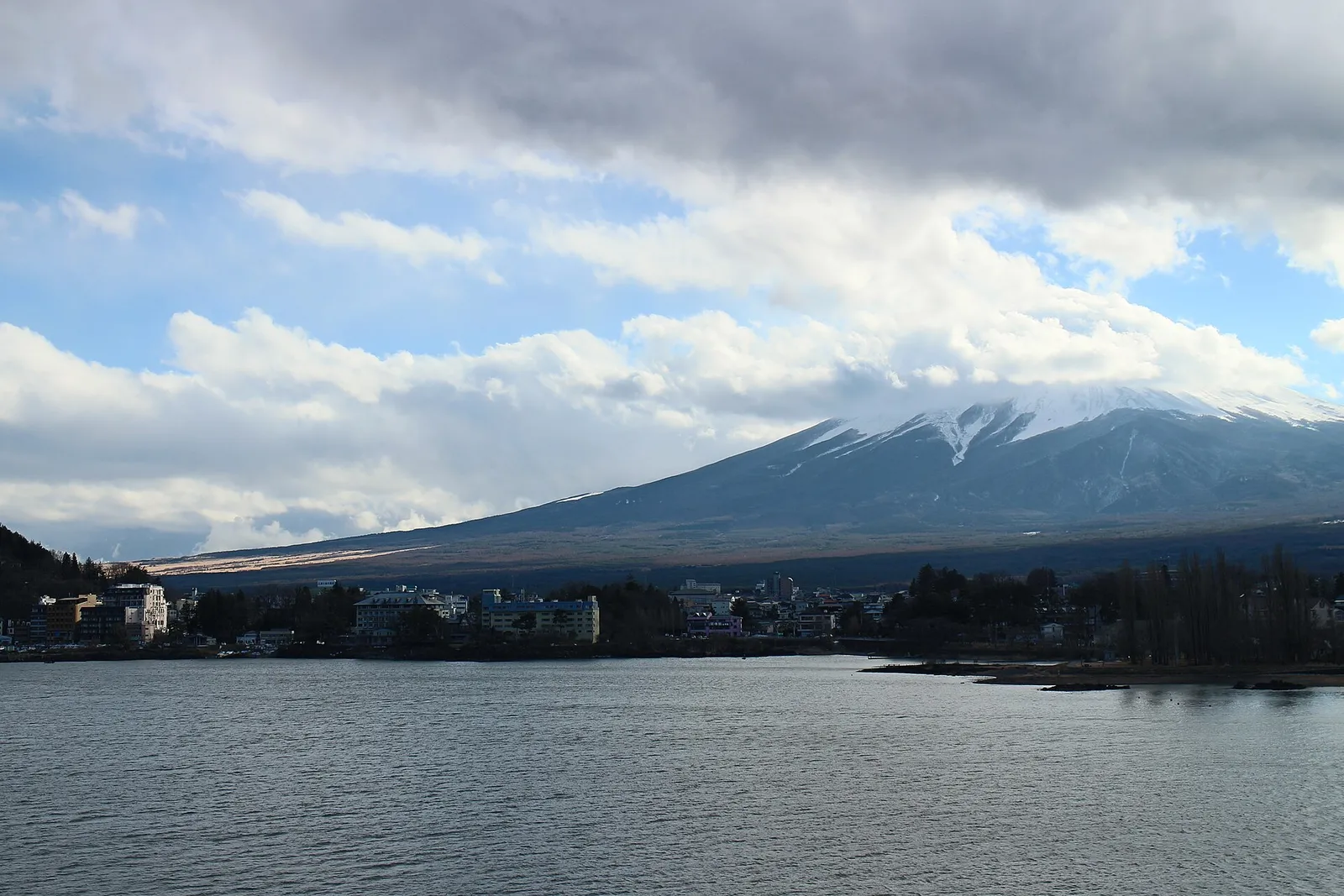
Seven days is enough for a first Japan trip that does not feel rushed — if you commit to the Golden Route and refuse to backtrack. Fly into Tokyo and out of Osaka: three days in Tokyo for temples, markets and neon, one slow day and night in Hakone for hot springs and Fuji views, two days in Kyoto for the classical Japan you came for, and a final Osaka night of street food. No leg takes longer than two hours. For everything deeper, our Tokyo, Hakone, Kyoto and Osaka guides go city block by city block.
Day 1: Arrive in Tokyo
Take the airport express into town, check in, and do not attempt culture — attempt jet lag management. Walk a neighborhood instead: the lantern-lit lanes around Asakusa’s Kappabashi, or the Yurakucho tracks where izakaya glow under the railway arches. Eat early, sleep early. Tomorrow is the big sightseeing day and it starts at a temple.
Practical tip: Set up payment and transit tonight, not mid-trip: add a Suica or PASMO card to your phone wallet for trains and konbini, and confirm your credit card works in Japan — see the trains and IC cards guide and money guide.
Day 2: Old Tokyo — Asakusa, then the Skyline
Start at Senso-ji Temple when the gates open around 6 a.m.; by 9 the Nakamise shopping lane belongs to tour groups. Walk the Sumida riverfront, cross to view the Skytree, then spend the afternoon in Yanaka’s surviving old-town lanes. At dusk, go up for free: the Tokyo Metropolitan Government Building observatory costs nothing on a clear evening.
Practical tip: Senso-ji’s grounds are free and never close, so the early start costs you nothing but sleep. If you would rather pay for the view, pick a timed-entry deck like Shibuya Sky and book it online days ahead — sunset slots sell out first.
Day 3: Meiji Shrine, Harajuku, and Shibuya
Tokyo’s full spread in one day. Morning under the forest canopy of Meiji Shrine (grounds free, always open), lunch and people-watching in Harajuku, then a Tsukiji Outer Market graze if you missed breakfast — sushi there is a legitimate 10 a.m. activity. Finish at the Shibuya scramble crossing after dark, with the backstreets of Shibuya for dinner.
Practical tip: Tsukiji’s outer market largely shuts on Sundays and national holidays, and a fair number of stalls also close Wednesdays — most trading happens 5 a.m. to 2 p.m., so flip this day’s halves if the calendar is against you.
Day 4: Hakone — Onsen and Fuji Views
Check out, and do not take your big suitcase to Hakone. Send it ahead to your Kyoto hotel with takkyubin luggage forwarding (every hotel front desk arranges it; usually delivered next day) and travel light. With the Hakone Free Pass (from about ¥6,000 from Shinjuku, two or three days), ride the whole loop: mountain railway, ropeway over the steaming Owakudani valley, and the Lake Ashi pirate ship with Fuji looming on clear days. Sleep in a ryokan and take the baths.
Practical tip: The pass covers nearly all transport in the loop but not everything — check what your ryokan’s shuttle covers in our Hakone guide, and read the onsen guide on tattoo rules before you book a bath.
Day 5: Romancecar Down, Shinkansen West, Kyoto by Afternoon
One travel day, three trains, zero stress. The Odakyu Romancecar runs Shinjuku to Hakone-Yumoto in about 85 minutes (¥2,470 with the surcharge); a local hop takes you to Odawara; and the Hikari shinkansen covers Odawara to Kyoto in roughly two hours. Drop bags, then spend the late afternoon walking Higashiyama’s slopes to Kiyomizu-dera, and the evening on a Pontocho alley stool.
Practical tip: Reserve a shinkansen seat a day or two ahead using the SmartEX app — the scenic Fuji-side E seats on the right going west go first, and the Odawara-Kyoto leg runs very roughly ¥11,000-12,000 as of October 2026, so watch the seat-choice screen, not just the fare.
Day 6: Kyoto Classics — Fushimi Inari, Kinkaku-ji, Gion
Beat the crowds at Fushimi Inari at 7 a.m., when the thousands of vermilion torii are quiet and the summit loop (2-3 hours if you go all the way) is still cool. Bus or taxi across town to the Golden Pavilion (¥500, open daily 9-5), then end in Gion as the lanterns come on — you may spot a geiko hurrying to an appointment between the teahouses.
Practical tip: Fushimi Inari is free and open 24 hours; the phrase “arrive by 7” is the single best crowd hack in Kyoto. City buses take cash or IC card — tap the same Suica you used in Tokyo.
Day 7: Kyoto to Osaka — Castle, Kuromon, Dotonbori
It is 30 minutes and about ¥750 by JR special rapid from Kyoto to Osaka, so the morning is still sightseeing: Osaka Castle’s park and moat views, then a final market lunch at Kuromon Ichiba, where 150-ish stalls grill crab legs and pour sea urchin from about 8 a.m. to early evening. After dark, take your farewell walk down Dotonbori — the Glico running man sign is the last photo of the trip.
Practical tip: Kuromon stalls mostly take cash and IC, and a fair number close Sundays and holidays; check the calendar before you bet your last lunch on it. Most international flights leave from Kansai Airport, 35-45 minutes from Namba by Nankai train — our Osaka guide has the airport detail.
Practical Notes
Intercity transport
| Leg | Mode | Time | One-way cost (approx.) |
|---|---|---|---|
| Airport → central Tokyo | Narita Express / Haneda monorail | 40-90 min | ¥1,000-3,100 |
| Shinjuku → Hakone-Yumoto | Odakyu Romancecar | ~85 min | ¥2,470 |
| Tokyo → Odawara (alternative) | Kodama/Hikari shinkansen | ~30 min | ~¥3,500 |
| Odawara → Kyoto | Hikari shinkansen | ~2 hours | ~¥11,000-12,000 |
| Kyoto → Osaka | JR special rapid | ~30 min | ~¥750 |
Fares as of October 2026; the Odawara-Kyoto figure is an estimate, so confirm on SmartEX when you book. In cities, one IC card covers every subway, bus and konbini — see the trains and IC cards guide.
Budget estimate (per person, excluding international flights)
- Backpacker: US$700-950 — hostels, konbini breakfasts, market lunches, local trains
- Mid-range: US$1,200-1,700 — 3-4-star hotels, one ryokan night with dinner in Hakone, a mix of casual and one nicer meal per day
- Comfort: US$2,300-3,500 — design hotels, Green Car seats, a kaiseki dinner in Kyoto
The ryokan night is the one splurge worth protecting in any tier; many half-board rooms start around ¥20,000-30,000 per person.
JR Pass verdict
Skip the 7-day pass on this route. Point-to-point tickets for the one-way Golden Route — airport train, Hakone leg, Odawara-Kyoto shinkansen, Kyoto-Osaka rapid — total roughly ¥20,000-27,000 including city local trains, against ¥50,000 for the 7-day Japan Rail Pass as of October 2026. Only a loop back to Tokyo with major detours would flip the math; test your own route in the JR Pass calculator before you buy anything.
Sources & verification (11)
- https://www.japan-guide.com/e/e2361.html
- https://www.japan-guide.com/e/e2363.html
- https://www.japan-guide.com/e/e5206.html
- https://www.japan-guide.com/e/e3001.html
- https://www.japan-guide.com/e/e3002.html
- https://www.japan-guide.com/e/e3011_tocho.html
- https://www.japan-guide.com/e/e3021.html
- https://www.japan-guide.com/e/e3915.html
- https://www.japan-guide.com/e/e3908.html
- https://www.japan-guide.com/e/e3901.html
- https://www.japan-guide.com/e/e4001.html