Safety and Health in Japan: Earthquakes, Emergencies, Insurance, and Medication Rules
Japan is one of the safest countries you will ever travel in — the real health-and-safety homework is not crime, but preparation: knowing what to do in an earthquake, which number to call (110 for police, 119 for ambulance), why travel insurance is non-negotiable (visitors pay full price for care, and unpaid bills can affect future entry), and which common Western medicines — pseudoephedrine cold remedies, codeine painkillers, ADHD stimulants — are restricted or illegal to bring in. This guide covers all of it, plus tap water, convenience stores as healthcare outposts, and the apps that warn you before anything happens. Rules as of October 2026.
The short version
- Emergencies: dial 110 for police, 119 for ambulance and fire; JNTO's Japan Visitor Hotline (050-3816-2787) answers in English 24/7
- Japan restricts common Western medicines: pseudoephedrine cold remedies and codeine painkillers are controlled, and some stimulant prescriptions are prohibited — check before you pack
- Get travel insurance: visitors pay the full cost of treatment out of pocket, and unpaid medical bills can lead to refused entry later
- Install the Safety Tips app and NHK WORLD-JAPAN before your trip for earthquake, tsunami, and severe weather alerts in English
- Tap water is safe nationwide; the nearest 24-hour convenience store is your everyday health outpost
Japan reliably ranks among the safest countries on earth, and the statistics show up in daily life: dropped wallets come back, phones left on train seats get returned, and walking cities at midnight is unremarkable. The homework for a Japan trip is therefore not crime avoidance — it is systems preparation. Earthquakes are a fact of Japanese geography, healthcare is excellent but pay-to-play for foreigners, and some everyday Western medicines are controlled substances here. Ninety minutes of preparation covers all three. Rules and numbers below are as of October 2026.
The Baseline: Safe Streets and the Koban System
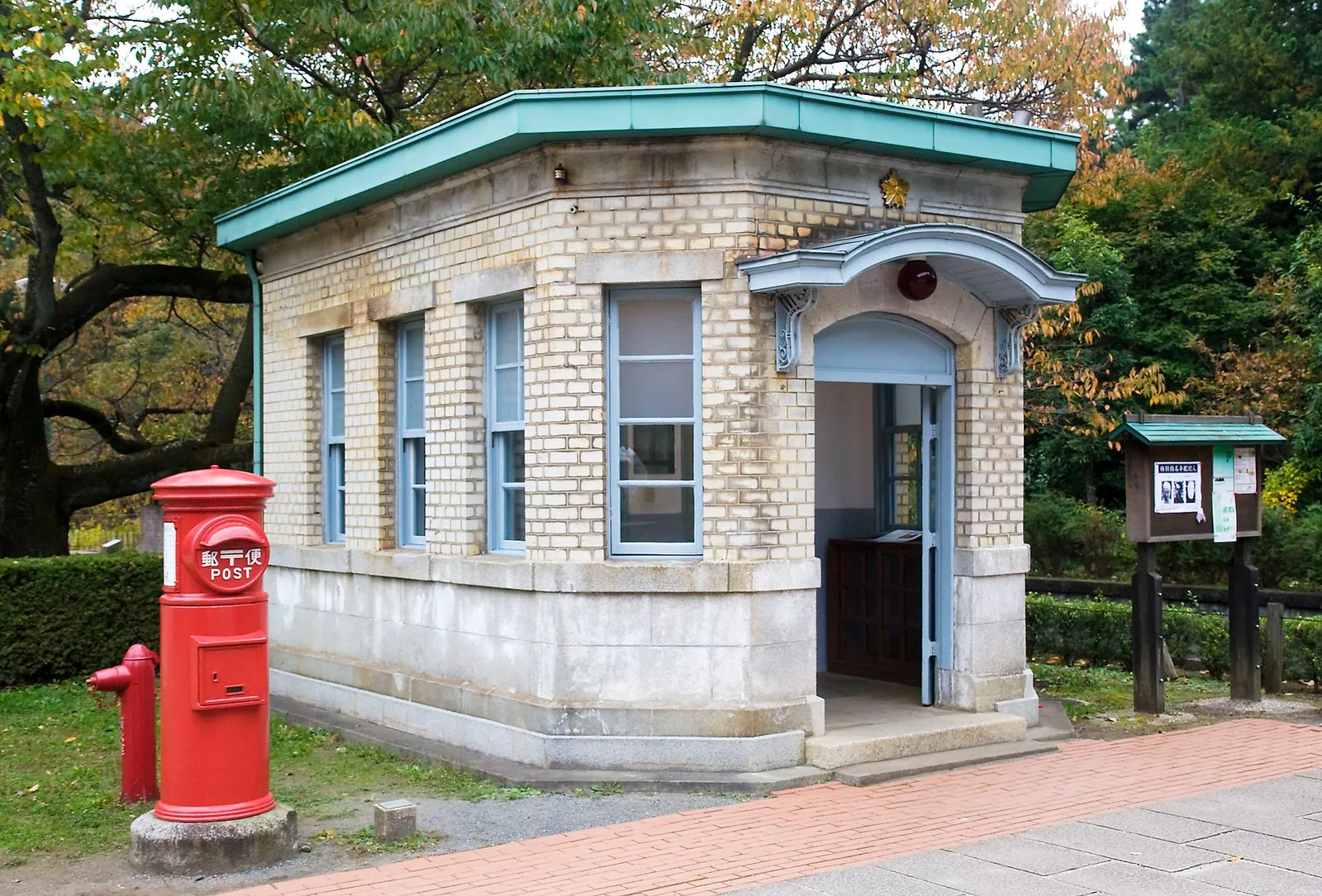
Violent crime against travelers is rare and petty crime is uncommon — the practical risk in most Japanese cities is losing something, not having something taken. The system that catches you when things go wrong is the koban: small neighborhood police boxes on street corners and inside train stations, staffed around the clock. Two koban jobs matter to you. First, lost property: report a lost phone or wallet at the nearest koban (or ask your hotel to call); Japan’s lost-and-found system is genuinely effective, and items misplaced on trains usually surface at the line’s final-station office within a day. Second, paperwork: if you need a police report for an insurance claim or a passport replacement, a koban or police station issues it — your hotel front desk will help arrange the visit.
The action items: photograph your passport and cards and store them encrypted in your email drafts before departure (JNTO recommends copies), note your embassy’s address, and if something goes missing, start at the koban or hotel desk rather than panicking in place. For language trouble at the koban, our emergency help card gets the basics across.
Earthquakes: Your Phone Prepares, You React
Japan’s buildings are built to shake, and its warning system is the world’s most developed. The Japan Meteorological Agency’s Earthquake Early Warning reaches TVs, radios, and phones seconds before strong shaking arrives — if your phone shrieks at you before you feel anything, take it seriously immediately.
What to do, in order:
- Drop, cover, hold. Get under a table or doorway frame and protect your head. Do not rush outside — falling glass and signage make streets more dangerous than modern interiors, and evacuation guidance says to stay put until shaking stops.
- Expect tsunami warnings within about three minutes if you are on the coast. After strong or prolonged shaking, move to higher ground immediately without waiting for confirmation — official guidance is explicit that you should not try to evaluate the situation yourself, and that tsunamis strike repeatedly over hours.
- Know where you’d go. Designated evacuation shelters include schools, community centers, and sometimes hotels; your hotel’s in-room information card lists its evacuation route — read it at check-in, the same way you note the fire exit anywhere.
- Get the alert apps before you fly: the Japan Tourism Agency’s free Safety Tips app (English earthquake, tsunami, and weather alerts) and NHK WORLD-JAPAN (live English news broadcasts during events). Follow @JapanSafeTravel on X for official tourist-facing updates — during recent quakes (Kumamoto, the Sanriku coast, and eastern Shimane all shook in 2026), that channel was the one telling tourists that hotels and sights were open as usual while foreign media ran apocalypse footage.
One 2026 rule worth knowing before you fly: since April 24, 2026, carry-on power banks are limited to two banks of 160Wh or less each, and charging them on board is prohibited — relevant here because a dead phone during an emergency notification is the one failure mode you control.
Emergency Numbers and the English Lifelines
Three numbers, none of which charge you to call:
- 110 — police. In Tokyo, the Metropolitan Police runs an English-language helpline, 24 hours a day, year-round: 03-3501-0110.
- 119 — fire and ambulance. Say the word slowly (“kyukyusha” for ambulance); operators handle silence-and-location calls imperfectly, so having a Japanese speaker (hotel, bystander) help is fine and normal.
- JNTO Japan Visitor Hotline — 050-3816-2787. Not a blue-light service but often the most useful: 24/7, in English, for illness, injury, and disaster guidance, including help finding medical care.
Save all three in your phone before departure, and program your hotel’s front-desk number — for a medical situation, the fastest chain is usually hotel desk to clinic, not you to emergency services.
Getting Sick: Hospitals, Language, and Insurance
Japanese medical care is excellent and, for foreign visitors, entirely out of pocket — Japan’s national health coverage does not apply to tourists, so you pay the full bill at point of care (and some clinics do not take credit cards, per JNTO). Japan Tourism Agency survey data cited by JNTO puts the odds at roughly one in twenty travelers suffering illness or injury abroad. Treatment is advanced but expensive, and the downstream bite is real: foreigners with unpaid Japanese medical bills can be restricted or refused entry on future visits.
So, two prep actions. First, buy travel insurance before departure and check three things: a cashless payment option (the insurer pays the hospital directly, rather than you fronting thousands in yen), coverage of your planned activities, and whether pre-existing conditions are included. Second, know the help chain: for finding English-speaking care, use the Japan Tourism Agency’s “Guide for when you are feeling ill” (multilingual medical-institution search, linked from JNTO’s safe-travel site) or call the AMDA International Medical Information Center, which advises and translates; for everything from fevers to prescription refills, your hotel front desk is the fastest first call — pointing you to the right clinic is a routine part of their job. In a pharmacy, our symptoms communication card bridges the counter.
Bringing Medication: The Rules That Bite
This is the one Japan rule that regularly turns an ordinary traveler into a detained one. Under Japan’s strictly enforced anti-stimulant law, some common Western medicines are illegal to bring in — the UK Foreign Office specifically flags Vicks inhalers, allergy and sinus medications, cold and flu remedies containing pseudoephedrine, and over-the-counter painkillers containing codeine. Foreign nationals have been detained and deported over these. Prescription stimulants for ADHD (Adderall-class medicines) fall under even stricter controlled-substance rules.
The safe procedure, as of October 2026:
- List every medication and supplement you plan to carry, including inhalers and over-the-counter cold remedies.
- Check each against the restricted list — start with your own government’s Japan travel advice (the UK FCDO page is explicit) and confirm with the Japanese embassy in your country if anything looks borderline. We could not verify the current official quantity text against Japan’s health ministry directly (its English pages were unreachable at press time), so treat any “one month’s supply”-type figure you read online as approximate and confirm it — but the prohibited-ingredient rules above are settled and enforced.
- Bring medicines in original packaging with a copy of your prescription or a doctor’s letter, and carry them in hand luggage.
- If a medicine you depend on is restricted, ask your doctor about alternatives before departure — do not improvise at the airport.
Water, Convenience Stores, and Everyday Health
Tap water in Japan is treated to drinking standards nationwide — the water placed on your restaurant table is tap, always fine, and refillable. The everyday health outpost is the convenience store: open 24 hours (JNTO notes most combini run around the clock), stocking sports drinks for dehydration, basic cold remedies, masks, and sanitary products. For anything more, the green-cross drugstore chains (Matsumoto Kiyoshi, Welcia, Tsuruha) handle over-the-counter needs with bigger selections — though note their cold medicines are locally formulated, so pseudoephedrine-style Western formulas simply will not be there.
Seasonal health: summer (July-August) heat and humidity are the most common genuine health risk travelers actually encounter. Carry water, replace electrolytes, and shift sightseeing to mornings. If you feel dizzy and stop sweating, that is heat exhaustion territory — get to shade and a convenience store for a sports drink immediately, and use the hotline above if symptoms escalate.
Common Mistakes
- Packing cold medicine with pseudoephedrine or codeine painkillers “just in case.” These are controlled in Japan and the enforcement is real. Check, substitute, or leave them.
- Skipping insurance because “Japan is safe.” Safety from crime is not safety from appendicitis; visitors pay full price, and unpaid bills can bar future entry.
- Dialing your home country’s emergency habits. Japan: 110 police, 119 ambulance/fire. Program both — plus 050-3816-2787, the JNTO English hotline — before you fly.
- Rushing outside during an earthquake. Modern interiors are engineered for shaking; streets are where the glass falls. Under the table first, evacuate calmly after.
- Waiting out a coastal quake at sea level. Tsunami warnings come within minutes; if the shaking was strong and you are on the coast, you walk to high ground first and verify later.
- Assuming the hospital will speak English. Many don’t. Route through your hotel front desk, the “feeling ill” guide, or AMDA rather than walking in cold.
- Flying with more than two power banks or charging one in your seat. Since April 24, 2026: maximum two banks, 160Wh or less each, no onboard charging — keep your emergency-alerts phone legal and alive.
Sources & verification (6)
- https://www.japan.travel/en/plan/emergencies/
- https://www.japan.travel/en/plan/travel-insurance-in-japan/
- https://www.japan.travel/en/japan-safe-travel-information/
- https://www.jnto.go.jp/safety-tips/eng/index.html
- https://www.gov.uk/foreign-travel-advice/japan/health
- https://www.japan.travel/en/gastronomy/local-street-food-favorites-budget-restaurant-japan/